


Vacuum cleaners have become essential for keeping our homes clean and dust-free. However, with the growing environmental concerns, many are asking, “Are vacuum cleaners recyclable?” Since vacuums consist of several materials—metal, plastic, electronics, and filters—it’s crucial to dispose of them properly to minimize environmental impact.
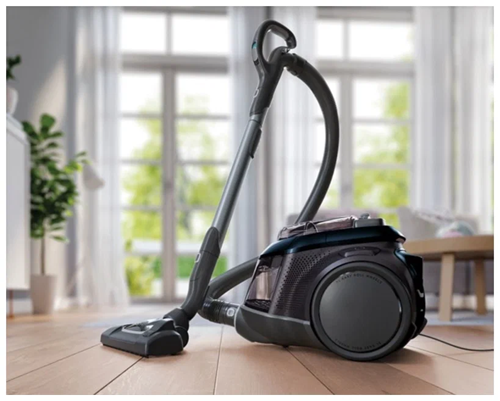
Every year, millions of vacuum cleaners reach the end of their life, and improper disposal can contribute to the growing electronic waste (e-waste) problem.
In the United States alone, approximately 6.9 million tons of e-waste are generated each year. This makes it increasingly necessary to recycle appliances like vacuum cleaners, which contain valuable resources that can be reused. In this article, we’ll discuss how to recycle vacuum cleaners responsibly, the components that can be recycled, and why it’s vital to adopt sustainable disposal methods to protect the planet.
By the end of this guide, you will understand the benefits of recycling your old vacuum cleaner and how you can help reduce e-waste.
Are vacuum cleaners recyclable?
Yes, vacuum cleaners are recyclable, but not all parts are easily recyclable. Components like metal motor parts, plastic housings, and hoses can be recycled, while others, such as electronic parts and batteries, need to be handled by e-waste recycling centers. It’s essential to separate components such as the filter, plastic casing, and motor before recycling to ensure proper disposal. Always check with local recycling programs for specific guidelines.
The Parts of a Vacuum Cleaner and How to Recycle Them
In this section, we will dive into the individual components of vacuum cleaners and their recyclability:
- Motors and Metal Parts: These components are often made of valuable metals like copper and steel, which are 100% recyclable. These metals can be separated and melted down for reuse in other products.
- Plastic Housing and Components: Many vacuum cleaners are made of plastic. While plastics can be recycled, the process depends on the type of plastic used. Some plastics, especially those with intricate designs or colors, may be more difficult to recycle than others.
- Filters and Hoses: Filters made from paper or fabric can often be recycled, and hoses made from flexible plastics are typically recyclable too. However, if the hoses are heavily contaminated with dirt or pet hair, they might not be accepted by recycling programs.
Pro Tip: If you’re taking a break from dismantling your vacuum cleaner, consider checking out an Instagram Highlights Viewer to catch up on your favorite social media content. It’s a great way to relax before getting back to recycling!
Why Should You Recycle Vacuum Cleaners?
Understanding why recycling vacuum cleaners is essential can motivate responsible disposal. This section will explain the environmental impact of improper vacuum disposal:
- Toxic Chemicals in Electronics: Electronic components in vacuum cleaners can contain hazardous materials such as lead, mercury, and cadmium, which can contaminate soil and water if not disposed of properly.
- Microplastic Pollution: Plastic components from vacuums can break down into microplastics, posing a significant environmental hazard by entering our ecosystems and affecting wildlife.
- Waste Reduction: Recycling allows valuable materials to be reused, reducing the need for new raw materials and helping reduce the carbon footprint associated with manufacturing new products.
Recycling your vacuum cleaner not only helps preserve natural resources but also prevents harmful waste from polluting the environment.
Pro Tip: If you’re looking to download some of your favorite Twitter content for inspiration or reference while recycling, consider using a Twitter Video Downloader to save videos effortlessly.
How to Recycle Your Vacuum Cleaner Properly?
Here’s how you can dispose of your old vacuum cleaner responsibly:
- Step 1: Dismantle the Vacuum: Separate the motor, hoses, filters, and plastic parts to make recycling easier.
- Step 2: Clean the Components: Wipe down the vacuum parts to remove dirt and debris, making them more suitable for recycling.
- Step 3: Find a Recycling Center: Locate a nearby recycling center that accepts vacuum cleaners or e-waste. Many cities offer collection events for bulky items.
- Step 4: Donate or Sell (If Possible): If your vacuum cleaner is still functional, consider donating it to a charity or selling it secondhand. Many non-profit organizations accept vacuum cleaners for refurbishment.
By following these steps, you ensure that your vacuum cleaner is disposed of in the most eco-friendly way.
The Environmental Impact of Not Recycling Vacuum Cleaners
Failure to recycle vacuum cleaners can have serious environmental consequences:
- Pollution and Landfill Overflow: Vacuum cleaners that end up in landfills contribute to the growing issue of electronic waste, where valuable metals and plastics are lost.
- Soil and Water Contamination: Toxic metals and chemicals from e-waste can seep into soil and water, contaminating the environment and affecting human and wildlife health.
- Wasted Resources: Many parts of vacuum cleaners, such as the motor and plastic components, are made from reusable materials. By not recycling, we waste valuable resources that could be reused for new products.
This section will emphasize the importance of proper recycling to mitigate these risks and protect the planet.
Future Trends in Vacuum Cleaner Recycling
The vacuum cleaner industry is evolving, and so is the recycling process. This section will cover:
- Advancements in Recycling Technology: Emerging technologies are making it easier to recycle complex vacuum components, such as motors and electronic parts.
- Sustainability Efforts by Manufacturers: Many vacuum cleaner brands are now focusing on designing products that are easier to recycle, using more eco-friendly materials.
- Government Regulations and E-Waste Programs: As e-waste becomes a growing concern, governments are implementing stricter regulations for recycling and waste management.
We will also look at how manufacturers like Dyson and others are leading the way in making their products more sustainable and recyclable.
Conclusion: Are Vacuum Cleaners Recyclable?
In conclusion, vacuum cleaners are recyclable, but the process can vary depending on the materials they’re made from. Many components, such as metals, plastics, and hoses, can be recycled, while others, such as motors and electronic parts, require special handling. It’s crucial to understand the proper steps for recycling, including dismantling the vacuum and cleaning the parts, to ensure that your old vacuum cleaner doesn’t harm the environment.
By recycling, donating, or properly disposing of your vacuum cleaner, you’re helping reduce e-waste, conserve natural resources, and protect our planet.
FAQ’s
Can I recycle the entire vacuum cleaner?
While many vacuum cleaner parts can be recycled, not all are readily accepted by recycling programs. Separate components like the motor and plastic parts for proper recycling.
Where can I recycle my vacuum cleaner?
Look for e-waste recycling centers or municipal recycling programs that accept large appliances, such as vacuum cleaners.
What should I do with the motor and electronics in my vacuum?
Take these components to specialized e-waste facilities that handle electronics recycling.
Can I donate my old vacuum cleaner?
Yes, if your vacuum is still in good condition, you can donate it to charities or secondhand stores like Goodwill or Salvation Army.
How can I ensure my vacuum cleaner is disposed of responsibly?
Disassemble the vacuum, separate the recyclable parts, and check with your local recycling center for proper disposal methods.