


Vacuum cleaners have become an essential household appliance, but their journey from manual cleaning tools to the powerful machines we use today has been fascinating.
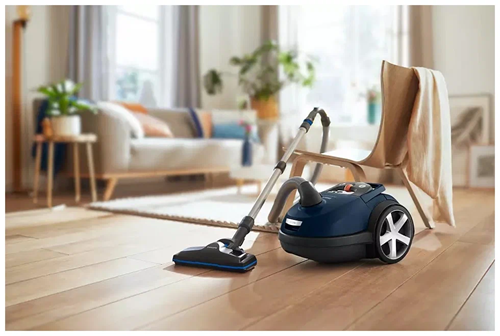
The history of the vacuum cleaner spans over a century of innovations, with many inventors contributing to its design and functionality. Who invented vacuum cleaners? This article explores the evolution of vacuum cleaner technology, from the crude bellows-operated machines to modern electric-powered models that have revolutionized cleaning worldwide.
By examining the key figures and milestones in the development of the vacuum cleaner, we will understand how this everyday appliance became an indispensable tool in homes and businesses worldwide.
Who invented vacuum cleaners?
The vacuum cleaner was invented by Hubert Cecil Booth in 1901, who patented a machine that used suction to remove dirt, marking a significant leap from previous models that blew dust away. Other early inventors like Melville Bissell and James Spangler made essential contributions, refining the design into the modern vacuum cleaner we use today.
The First Vacuum Cleaners – Who Invented Them?
The concept of a vacuum cleaner dates back to the mid-19th century, when cleaning tools were rudimentary and often required manual labor. Early models involved bellows operated by two people – one to pump air and the other to move the mouthpiece over the floor, blowing dust into the air. These devices, however, were far from efficient and often made the dust problem worse.
In 1901, Hubert Cecil Booth, a British engineer, invented the first successful vacuum cleaner. His machine was revolutionary because it used suction to remove dirt and dust rather than blowing it into the air. Booth’s design was large and cumbersome, requiring a horse-drawn cart to power it and a long hose to reach inside buildings. However, it laid the foundation for all future vacuum cleaners.
At the same time, in the United States, James Murray Spangler invented the first domestic electric vacuum cleaner in 1907, which was portable and easy to use by a single operator. His design, which used a fan motor to create suction, was later sold to William H. Hoover, who further refined the machine and brought it to market.
If you ever need to calculate time differences between regions, check out a Date Time Calculator to figure out time zones for your cleaning schedule easily.
How Did the Vacuum Cleaner Evolve?
The vacuum cleaner’s evolution involved several technological advancements that made it more efficient and accessible. Here’s how the vacuum cleaner evolved:
- 1901 — The Birth of Suction: Hubert Cecil Booth’s invention marked the beginning of suction-based vacuum cleaners, changing the way we cleaned our homes.
- 1907 — The First Portable Vacuum Cleaner: James Murray Spangler invented a portable vacuum cleaner powered by an electric fan motor, making it smaller, lighter, and more convenient.
- 1910s — Commercial Success: As vacuum cleaner manufacturers like Hoover and Eureka refined their designs, they began producing machines that were more affordable, lightweight, and accessible to the average consumer.
- 1940s — Introduction of Bagged Vacuums: The introduction of bagged vacuum cleaners helped contain dust and debris, providing a more hygienic cleaning solution.
Modern Day — Innovations and Smart Features:
Vacuum cleaners have continued to innovate, with robotic vacuums like those from iRobot and Dyson introducing automation, cyclone technology for improved suction, and cordless models for more effortless mobility.
While researching the history of vacuums, you might come across fun text transformations. If you’re looking for a way to add a quirky, stylized touch to your writing, try Zalgo text generators that create chaotic and distorted text perfect for fun projects!
Key Innovations in Vacuum Cleaner Technology
- Cyclone Technology: Developed by James Dyson, this technology uses centrifugal force to capture dust and debris without losing suction. Dyson’s bagless design revolutionized vacuum cleaner efficiency, leading to the widespread popularity of bagless models.
- HEPA Filters: High-Efficiency Particulate Air filters trap tiny particles such as dust mites and pollen, helping to improve indoor air quality.
- Robot Vacuums: Smart vacuum cleaners, like iRobot’s Roomba, have introduced automated cleaning, using sensors to navigate and clean homes with minimal human intervention.
- Cordless Models: The introduction of battery-powered cordless vacuum cleaners has made cleaning easier, offering freedom of movement and convenience without the hassle of tangled cords.
The Benefits of Modern Vacuum Cleaners
Modern vacuum cleaners offer a wide range of benefits, from convenience to health improvements. Some of the key advantages include:
- Improved Indoor Air Quality: With HEPA filters and bagless designs, modern vacuums help trap allergens and dust, improving air quality and reducing the risk of respiratory problems.
- Time Efficiency: The introduction of robotic vacuums has drastically reduced cleaning time, allowing homeowners to clean their homes without lifting a finger.
- Ease of Use: Modern vacuums are designed to be lightweight, with ergonomic handles and swivel heads, making them easy to maneuver across floors and upholstery.
- Versatility: Many vacuum cleaners come with multiple attachments, such as upholstery and crevice tools, making it easy to clean different surfaces and hard-to-reach areas.
The Future of Vacuum Cleaners – What’s Next?
The future of vacuum cleaner technology looks exciting, with several innovations on the horizon:
- Smart Technology Integration: Future vacuums will likely be even smarter, with AI-powered navigation and automatic dirt detection.
- Enhanced Suction Power: We can expect even better suction capabilities, especially in smaller, more portable models.
- Eco-Friendly Designs: With a growing focus on sustainability, future vacuums will likely be designed with environmentally friendly materials and energy-efficient features.
- Noise Reduction: Innovations will likely lower vacuum noise levels, making vacuums quieter and more user-friendly.
Conclusion
In conclusion, the invention of vacuum cleaners and their evolution have been shaped by numerous inventors and innovations over the years. From Hubert Cecil Booth’s first suction-based design to James Dyson’s cyclone technology, each milestone in vacuum cleaner development has contributed to the machine’s efficiency and convenience. The modern vacuum cleaner, with its enhanced features like smart navigation, powerful suction, and portability, is the result of these advancements. As we look toward the future, vacuum cleaners will continue to evolve, bringing even more advanced and sustainable technologies to homes and businesses worldwide.
FAQ’s
Who invented the first vacuum cleaner?
The first successful vacuum cleaner was invented by Hubert Cecil Booth in 1901.
How did the first vacuum cleaner work?
Booth’s first vacuum cleaner used suction to remove dust, unlike earlier models that blew dust into the air.
What was the first portable vacuum cleaner?
The first portable vacuum cleaner was invented by James Murray Spangler in 1907, making vacuuming easier and more accessible.
What are the key innovations in modern vacuum cleaners?
Modern vacuum cleaners feature innovations like cyclone technology, HEPA filters, and robotic vacuums.
What does the future hold for vacuum cleaner technology?
The future of vacuum cleaners may include smarter AI-powered vacuums, enhanced suction power, and eco-friendly designs.