


There’s nothing more frustrating than an air conditioner running but not blowing cold air. Whether it’s the middle of summer or a particularly hot day, you rely on your AC to keep your home cool.
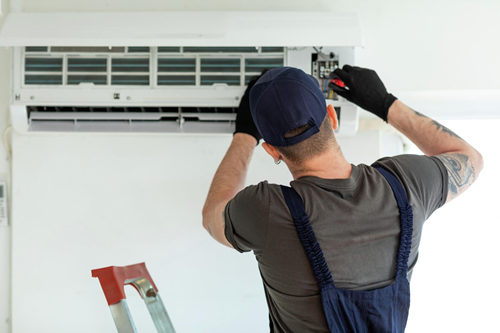
But when the AC fails to cool, it can feel unbearable. Why is my air conditioner not blowing cold air?
There are several potential causes of this issue, ranging from simple problems like incorrect thermostat settings to more complex issues such as refrigerant leaks or a malfunctioning compressor. In this article, we will guide you through the most common reasons your AC isn’t cooling and provide actionable solutions to get it back to working order.
Why is my air conditioner not blowing cold air?
The most common reasons an air conditioner doesn’t blow cold air are a dirty air filter, incorrect thermostat settings, low refrigerant, or issues with the compressor or condenser coils. Checking the thermostat, replacing air filters, and inspecting refrigerant levels can often solve the problem. If these steps don’t resolve the issue, professional help may be needed to inspect and repair the system.
Common Causes of an Air Conditioner Not Blowing Cold Air
If your air conditioner isn’t blowing cold air, there are several common reasons to consider. Let’s break down the most likely causes:
- Thermostat Settings: It’s easy to overlook the thermostat settings. Ensure that your thermostat is set to «cool» mode and that the temperature is lower than the current room temperature.
- Dirty Air Filters: A clogged air filter restricts airflow, preventing your AC from cooling effectively. When the filter is dirty, it forces the system to work harder, reducing its cooling power and efficiency.
- Refrigerant Leak: Low refrigerant is one of the primary causes of an AC that isn’t cooling properly. Refrigerant is essential for heat transfer in the system, and a leak can cause the unit to blow warm air.
- Condenser Coils Blockage: The outdoor condenser coils release heat. If the coils are clogged with dirt and debris, they can’t expel heat properly, resulting in poor cooling performance.
- Frozen Evaporator Coils: When the evaporator coils freeze, they can cause excessive condensation when they melt, leading to water leakage and reduced cooling.
Suppose you’re dealing with complex AC issues. In that case, it may be helpful to consult experts who specialize in air conditioning or even look into Lawyers Worth to understand how legal professionals may assist you in case of warranty disputes with AC brands or service providers.
How to Fix an Air Conditioner That Isn’t Blowing Cold Air?
Once you’ve identified the cause of your AC not blowing cold air, here are some simple troubleshooting steps to resolve the issue:
Step 1: Check the Thermostat
- Inspect Settings: Make sure your thermostat is set to «cool» mode, and the temperature setting is lower than the current room temperature. If it’s on «fan» or «heat,» switch it back to cooling mode.
Step 2: Clean or Replace Air Filters
- Inspect Filters: Turn off the AC and remove the filter. If it’s clogged or dirty, replace it with a new one. Clean filters help your unit run smoothly and prevent airflow issues.
Step 3: Check for Refrigerant Leaks
- Low Refrigerant: If the refrigerant level is low, it’s essential to have a professional technician recharge the system. Refrigerant leaks need to be repaired by an expert to avoid further damage to your AC.
Step 4: Clean Condenser Coils
- Outdoor Unit Cleaning: Turn off the AC and clean the condenser unit. Use a hose or vacuum to remove dirt and debris from the fins, allowing better airflow and cooling efficiency.
You can also visit the law tools web for legal guidance or professional assistance if you need to resolve a warranty issue with your AC unit or a technician.
How to Prevent Your Air Conditioner from Not Blowing Cold Air?
Preventive maintenance is essential to ensure that your air conditioner continues to perform at its best. Here are some tips to prevent cooling issues:
- Regular Filter Replacement: Change your air filter every 1-3 months to ensure proper airflow. This simple maintenance task can prevent many AC issues, including poor cooling performance.
- Schedule Annual AC Inspections: Have your AC inspected by a professional once a year to check refrigerant levels, clean coils, and ensure all components are functioning correctly.
- Keep the Outdoor Unit Clean: Clean the condenser coils and ensure there are no obstructions around the outdoor unit. Plants, dirt, and debris can block airflow, reducing the unit’s ability to cool.
- Seal Duct Leaks: Ensure your ducts are properly sealed and insulated to maintain efficiency. Leaky ducts can cause cold air to escape, reducing the system’s effectiveness.
- Use a Programmable Thermostat: A programmable thermostat helps regulate your home’s temperature more efficiently, preventing the AC from overworking.
What Are the Signs That Your Air Conditioner Needs Professional Help?
While simple fixes like changing filters or adjusting the thermostat can resolve some issues, there are times when you’ll need professional help. You should call a technician if:
- Frozen Evaporator Coils: If your evaporator coils are frozen, it may indicate a refrigerant or airflow issue. Frozen coils often require professional intervention to repair.
- Refrigerant Leaks: Refrigerant is a crucial component of your AC system. If there’s a leak, you’ll need a professional to repair the leak and recharge the system.
- Compressor Problems: A malfunctioning compressor can prevent your AC from cooling the air. If the compressor is not working, the AC will need to be repaired or replaced by a professional.
- Electrical Issues: If your AC won’t turn on or shuts off unexpectedly, it may be an electrical issue that requires professional inspection and repair.
How to Choose the Right Air Conditioner for Your Home?
If your current AC unit isn’t cooling well, it might be time to consider a replacement. Here’s how to choose the right air conditioner for your home:
- Room Size and Cooling Capacity: The size of your room or home will determine the AC’s BTU (British Thermal Unit) requirements. Larger rooms need more cooling power, so make sure to select an appropriately sized unit.
- Energy Efficiency: Choose an AC unit with a high Seasonal Energy Efficiency Ratio (SEER) to reduce energy consumption and lower your electricity bills.
- Types of AC Units: Depending on your needs, you can choose between central AC, window units, or portable AC units. Each type has its pros and cons, depending on your home’s layout and size.
- Additional Features: Look for features such as a dehumidifier, an air purifier, or a smart thermostat to improve comfort and efficiency.
Final Remarks
In conclusion, why is my air conditioner not blowing cold air? The issue could stem from several factors, such as thermostat settings, dirty filters, low refrigerant, or a malfunctioning compressor. By performing routine maintenance and addressing common problems, you can keep your air conditioner running efficiently and avoid cooling problems. If the issue persists, it’s essential to call a professional technician to diagnose and fix it properly.
By addressing the cause early, you can ensure that your AC continues to cool your home and maintain a comfortable living environment.
FAQ’s
Why is my air conditioner not blowing cold air?
The most common reasons are dirty air filters, low refrigerant levels, and malfunctioning components such as the thermostat or compressor.
How do I fix my air conditioner that isn’t blowing cold air?
Check the thermostat settings, clean or replace the air filter, inspect the refrigerant levels, and clean the outdoor condenser coils.
What causes the refrigerant levels to drop?
Refrigerant levels can drop due to a system leak. If you suspect a leak, it’s essential to call a professional to repair it.
Can a dirty air filter cause my AC to stop blowing cold air?
Yes, a clogged air filter can block airflow, causing the AC to blow warm air or stop cooling properly.
When should I call a professional for my air conditioner?
Call a professional if your AC has frozen coils, low refrigerant, electrical problems, or a malfunctioning compressor.